Tres-Or is focused on the discovery and development of diamond and gold deposits in Canada, with a portfolio of exploration projects in Québec and Ontario. Leveraging extensive technical expertise in diamond and gold exploration, the Company is dedicated to advancing high-potential mineral assets and creating long-term value for shareholders through responsible resource development.
Tres-Or is a Canadian mineral exploration company listed on the TSX Venture Exchange under the symbol “TRS”.

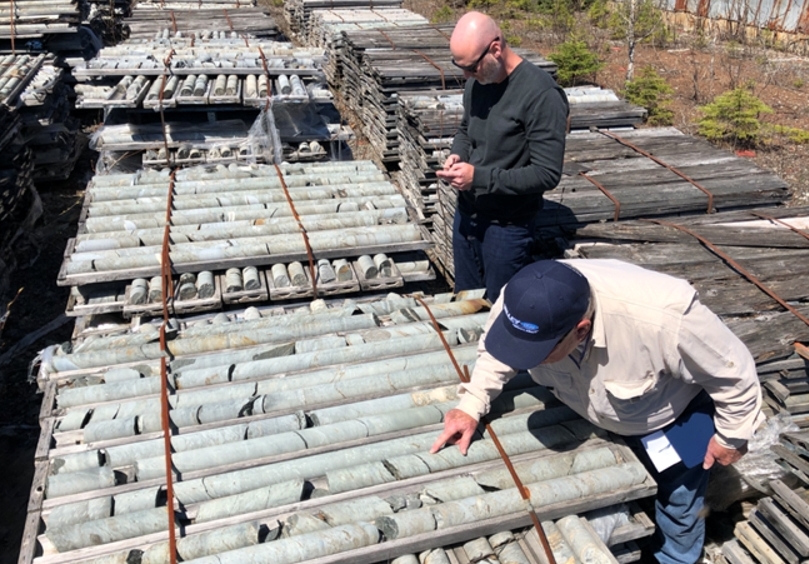
Inspecting the Stonecutter Diamond and Gold Project conglomeratic drill core stored in a warehouse facility in Wawa, Ontario.

Mineral chemistry in the Guigues Kimberlite pipe is comparable to De Beer's famous Victor Mine in Ontario, Tres-Or has an opportunity at a high yield and huge economic reward.
 Geological Model for the Stonecutter Project
 Guigues Kimberlite – Opportunity for Discovery
 Guigues Pipe Micro-Diamond pictures
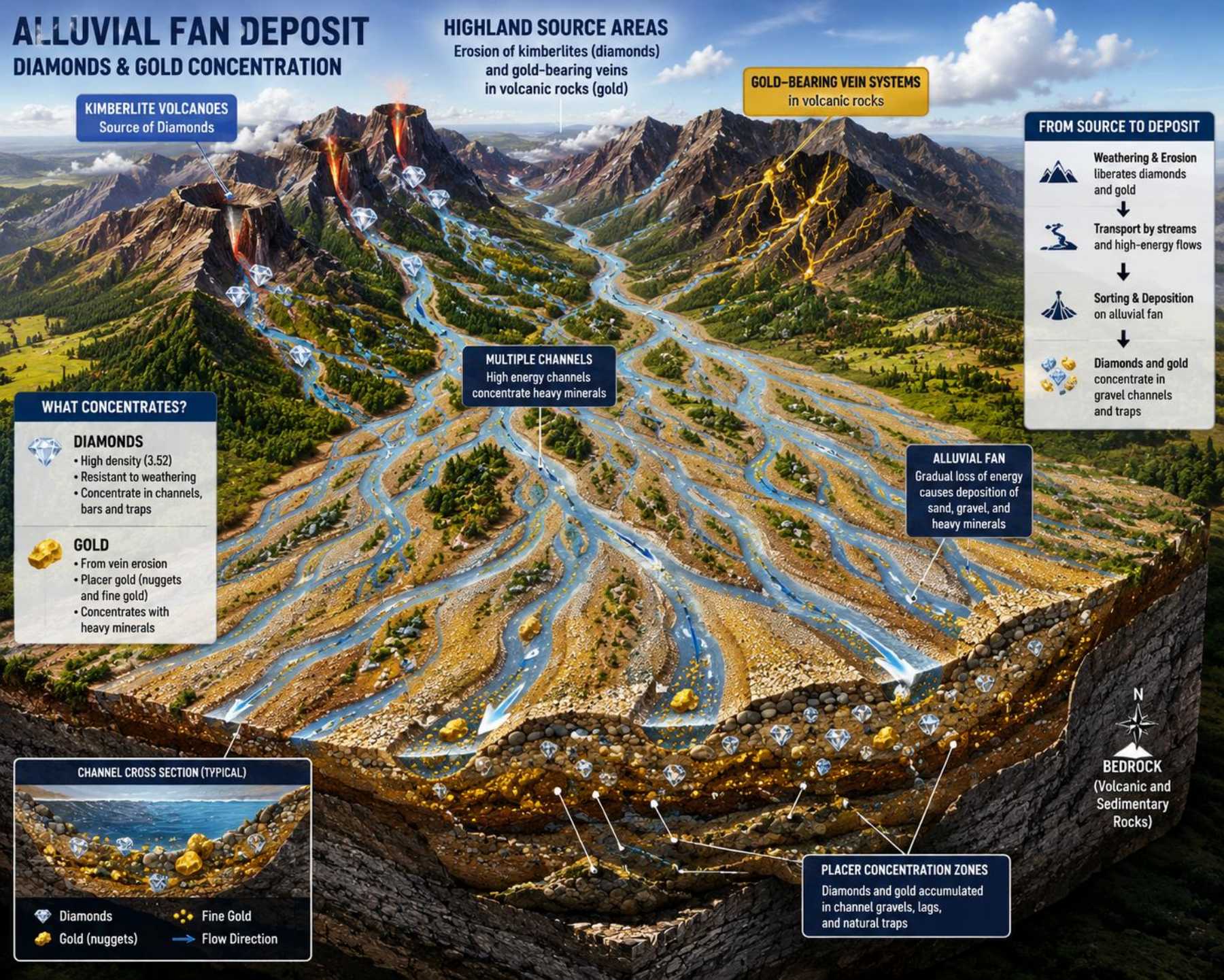
The sedimentary environment and deposit model for the diamond and gold bearing conglomerate units on the Stonecutter Project are interpreted to be part of an alluvial fan complex, which was probably subjected to seasonal flushing that transported and concentrated diamonds, gold and other heavy minerals into discreet channels that are now preserved as the higher grade zones.
While the Stonecutter Project's diamond potential has been the primary focus of past exploration, results from drilling, trench and mini-bulk sampling programs has revealed the presence of gold, including free gold grains recovered during diamond processing, and gold assays of up to 9.01 g/t from the principal S1C conglomerate unit. Despite this, the gold mineralization was given limited exploration attention and remains largely untested. Given the strong correlation observed in the historical results between diamond-bearing horizons and gold occurrences, combined with record high gold prices, Tres-Or believes that the gold component of the Stonecutter Project could materially enhance the value and economics of the known diamond deposits.
Tres-Or intends to prioritize the evaluation of the Stonecutter Project's gold potential through focused exploration to determine the scale, continuity, and economic significance of the gold mineralization, which could represent a transformational value driver for the project.

The Québec Diamond Project encompasses 100% owned mineral claims held by Tres-Or Resources Ltd. (TSX.V:TRS) and includes the Guigues Kimberlite Pipe located in northwestern Québec where initial drilling and testing has discovered Type II diamond content suggesting potential for commercial sized, high-quality gems.

Tres-Or’s sampling programs at Guigues have established the kimberlite carries closely comparable indicator mineral and microdiamond populations to De Beers’ Victor Diamond Mine in northern Ontario, as well as demonstrating that more than 76% of the Guigues microdiamonds lack the impurity nitrogen (Type II) like most of the largest high value diamonds ever produced around the world.